
When most organisations think about risk, they think about firewalls, patches, and backups. Very few think about the old laptops in the store room or the decommissioned server racks sitting in a corner of the data centre.
But those “retired” devices are often where the biggest blind spots live.
Improper disposal of IT assets doesn’t just create clutter — it exposes your business to data breaches, regulatory fines, environmental liabilities, and lost financial value. In this article, we’ll break down why end-of-life equipment is so risky when mishandled, and what a secure, compliant IT Asset Disposition (ITAD) process should look like.
What Does “Improper Disposal” Really Mean?
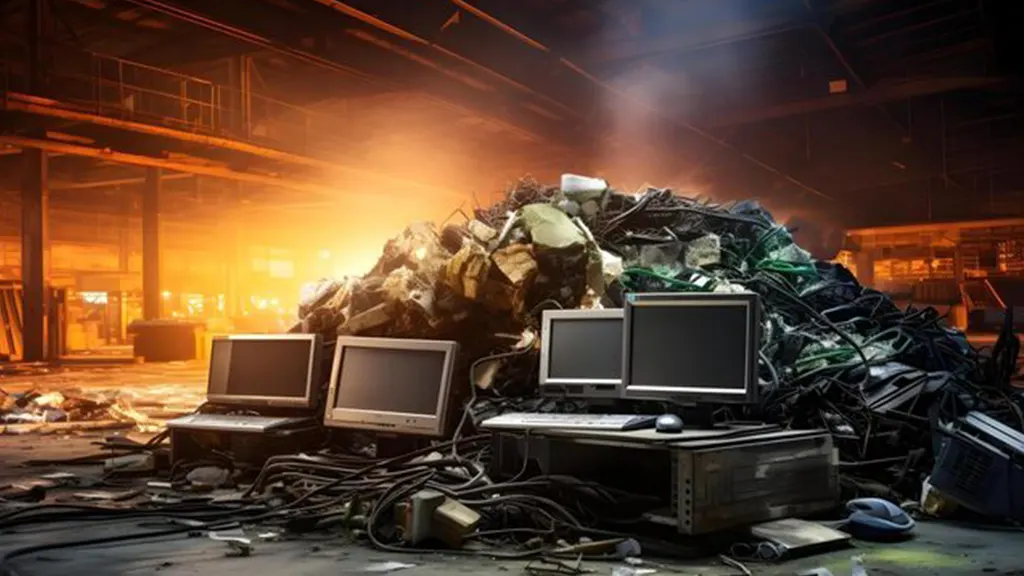
Improper IT asset disposal isn’t just throwing a server in the trash (although that happens too). It can include:
- Sending old equipment to landfill or general waste with data still on it
- Donating, reselling, or recycling devices without certified data destruction
- Stockpiling obsolete equipment in back rooms, closets, and warehouses with no tracking
- Using unvetted scrap dealers or recyclers who lack security or environmental certifications
In all these cases, you lose control over both the data on your assets and the way they’re processed at end of life.
This is exactly the problem ITAD solutions are designed to solve: secure IT asset disposition with certified data destruction, responsible recycling, and value recovery.
Risk #1: Data Breaches from Retired Devices
Every device you retire still holds data:
- Customer records
- Financial and payment details
- Internal emails and documents
- Intellectual property and trade secrets
If drives aren’t properly wiped, shredded, or degaussed, that data can be recovered — even if the device is “broken” or no longer used. Many high-profile breach stories have started with drives found on secondary markets or in unprotected dumps.
Improper disposal can lead to:
- Unauthorised access to sensitive or regulated information
- Identity theft or fraud linked to exposed records
- Serious reputational damage if the incident becomes public
A proper ITAD program uses certified data destruction methods and provides Certificates of Destruction, so you can prove that data was irreversibly destroyed.
Risk #2: Non-Compliance and Legal Exposure
Regulations and industry standards increasingly treat disposal as part of the full data lifecycle, not an afterthought. Depending on your sector and geography, you may need to demonstrate control over how IT assets are retired, including:
- Documented data destruction for storage media
- Secure logistics and chain-of-custody records
- Evidence that equipment was recycled or processed according to applicable environmental and privacy laws
If a regulator or auditor asks, “What happens to your old equipment?” and the answer is vague, incomplete, or undocumented, you may face:
- Fines and penalties for non-compliance
- Failed audits and increased oversight
- Contractual issues with customers who expect higher standards
Top ITAD providers are built around compliance and offer R2v3 and ISO-certified processes, audit-ready documentation, and services like Certificates of Destruction and inventory reporting, all designed to help businesses follow privacy and environmental regulations.
Risk #3: Environmental & ESG Damage
Improper disposal isn’t just a security issue — it’s an environmental one.
Electronic waste (e-waste) often contains hazardous substances like lead, mercury, and cadmium. When dumped or processed informally (for example, burning or crude dismantling), these toxins can leach into soil and water or be released into the air, harming both people and ecosystems.
For organisations with ESG and sustainability commitments, this creates several problems:
- Misalignment with stated sustainability goals
- Potential violations of environmental regulations
- Reputational risk if hardware from your organisation is tied to unsafe or unethical disposal practices
Responsible ITAD solutions reduce e-waste, prioritise reuse and refurbishment where possible, and ensure remaining material is processed through certified e-waste recycling streams.
Risk #4: Lost Financial Value & Hidden Costs
Improper disposal is also expensive — just not always in obvious ways.
You can lose money through:
- Missed value recovery
- Many retired assets still have resale or reuse value. Without a formal buyback or remarketing program, that value is simply thrown away.
- Storage and handling costs
- Storing obsolete equipment across offices, warehouses, or data centres ties up space and staff time.
- Incident and remediation costs
- A single breach or compliance issue linked to mishandled hardware can cost far more than a proper ITAD program.
Modern ITAD providers focus on turning IT asset disposition into part of a profit center by offering IT hardware buyback, refurbishing, and remarketing services that help you recover value from end-of-need and end-of-life equipment.
What Secure & Compliant IT Asset Disposal Should Look Like
A mature ITAD approach doesn’t leave anything to chance. It typically includes:
- Asset Inventory & Assessment
– Detailed listing of devices, locations, serial numbers, and condition. - Deinstallation & On-Site Handling
– Professional removal of equipment (especially in data centres and complex environments).
- Secure Logistics & Chain-of-Custody
– Assets are tagged, scanned, and tracked from your facility to the processing site. - Certified Data Destruction
– Drives and storage devices are wiped, shredded, or degaussed following recognised standards, with Certificates of Destruction issued. - Refurbishing, Remarketing & Buyback
– Reusable devices are tested, refurbished, and remarketed; you receive financial return where possible. - Responsible E-Waste Recycling
– Non-usable equipment is processed via certified e-waste recycling, reducing landfill and environmental impact. - Comprehensive Reporting
– You get a full audit trail: asset inventory, destruction certificates, recycling documentation, and settlement reports.
This is the level of structure that reduces risk and turns IT asset disposal into a controlled part of your IT and compliance strategy.
How Baytech Recovery Helps You Avoid These Risks
Baytech Recovery is a global IT Asset Disposition (ITAD) solutions provider based in Silicon Valley that focuses on secure, environmentally responsible e-waste disposal and IT hardware value recovery for both corporate and private sectors.
Their services are built to address exactly the risks outlined above, with a full suite of R2v3 and ISO-certified ITAD solutions, including:
- IT Asset Disposition (ITAD)
- Data Destruction & Certificates of Destruction
- Electronic Recycling (E-waste)
- Deinstallation & Data Centre Decommissioning
- Inventory Reporting
- Equipment Refurbishing & Remarketing
- IT Hardware Buyback / Value Recovery
- IT Hardware Strategic Sourcing
The goal is simple: maximise the IT hardware lifecycle while keeping your data secure, your organisation compliant, and your environmental impact under control.
Improper disposal of IT assets isn’t just a technical issue — it’s a business risk. A structured ITAD program, delivered by a certified partner, turns that risk into a managed, auditable process that supports your security, compliance, and sustainability goals.
To learn more about how Baytech Recovery can help you dispose of IT assets securely and responsibly, visit: baytechrecovery.com